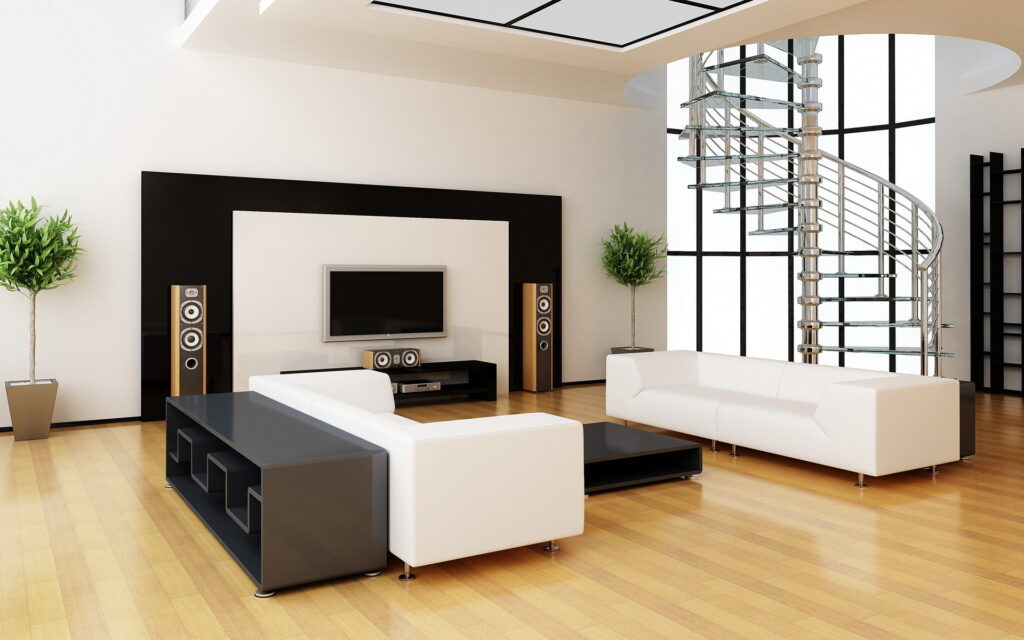
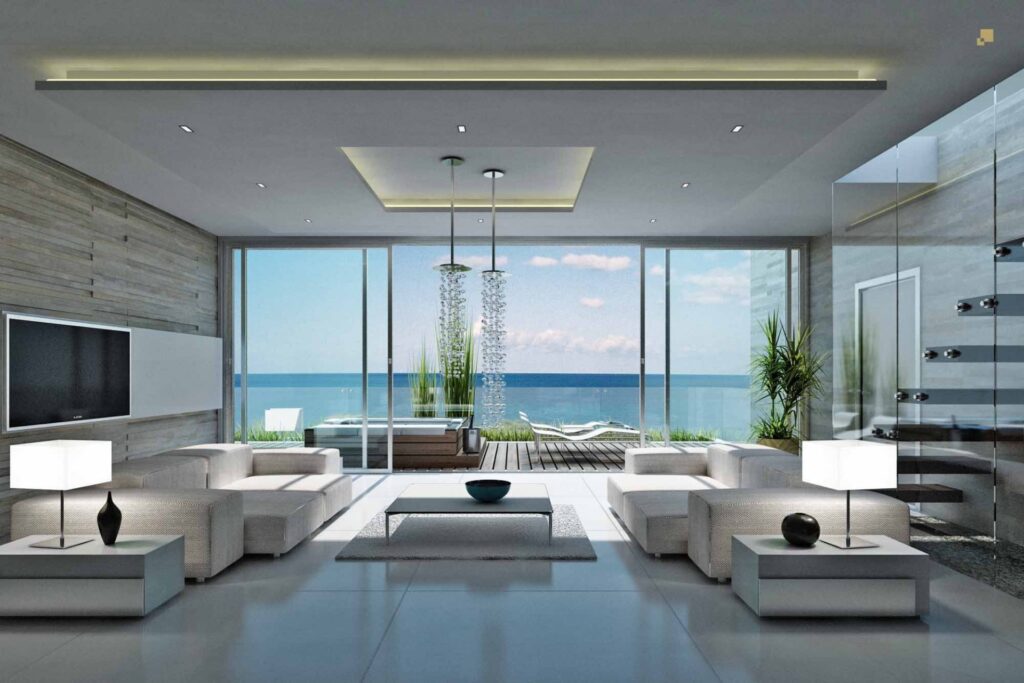
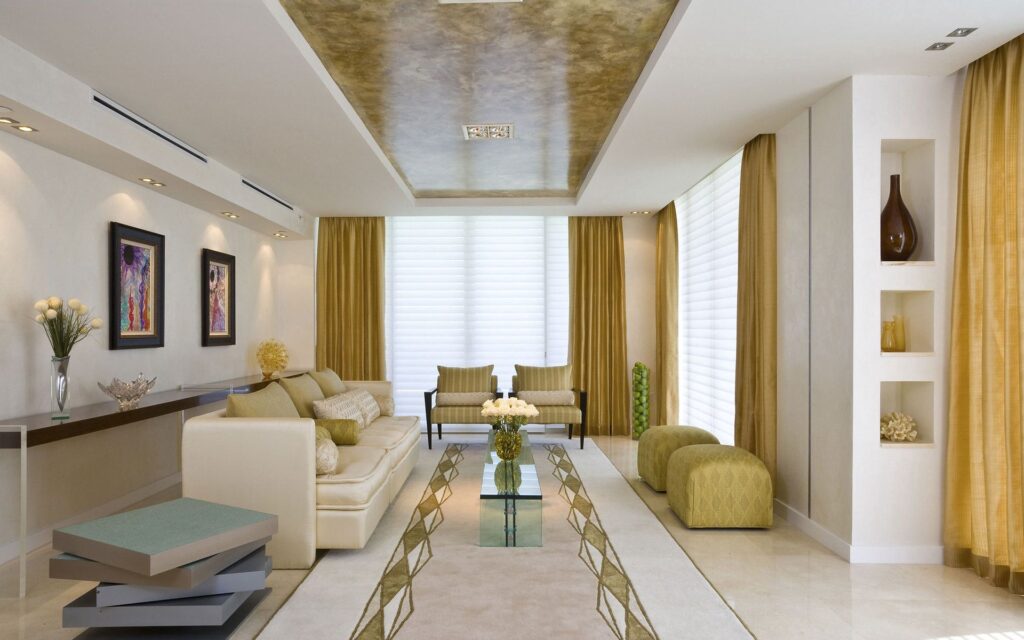
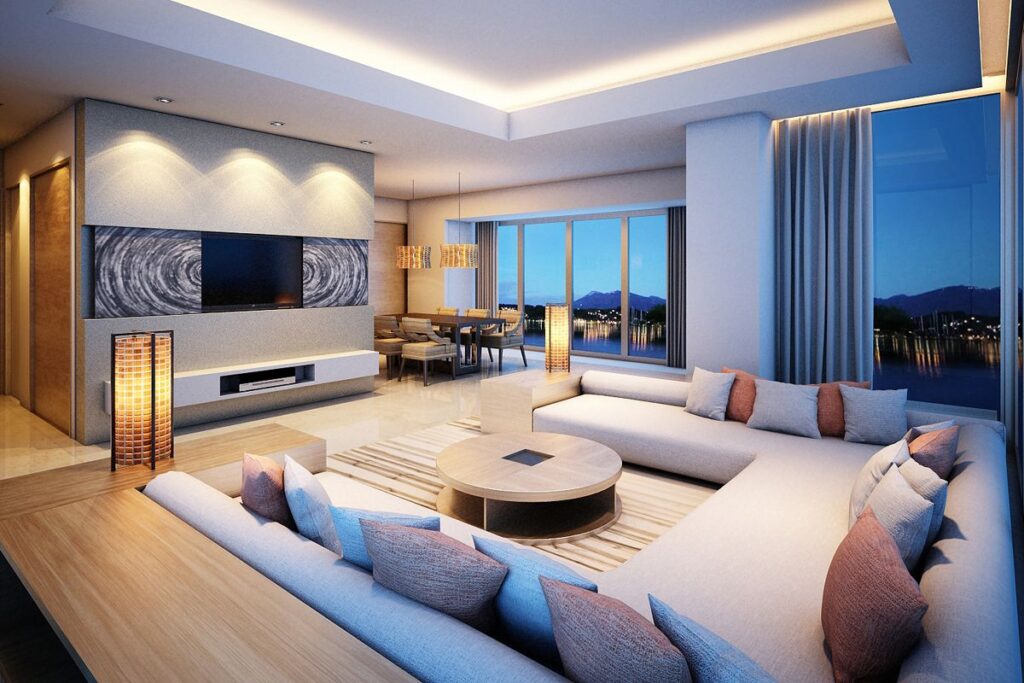
Interior design is a multifaceted discipline that goes beyond mere aesthetics; it encompasses functionality, comfort, and the art of transforming spaces. Designers blend creativity with practicality to create environments that enhance the quality of life, reflecting the inhabitants’ personalities and preferences.
The Impact of Color and Texture
Color and texture are fundamental elements in interior design, influencing mood and perception. The careful selection of a color palette can evoke specific emotions, while textures add depth and tactile interest. Harmonizing these elements creates a cohesive design that resonates with the inhabitants and sets the desired ambiance.
Furniture and Layout Planning
Strategic furniture placement and layout planning are vital aspects of interior design. Each piece serves a purpose, contributing to the overall functionality and flow of the space. Balancing aesthetics with practicality, designers create layouts that optimize space usage while maintaining a visually pleasing and comfortable environment.
Sustainable Design Practices
As environmental consciousness grows, sustainable interior design practices gain prominence. Designers are increasingly incorporating eco-friendly materials, energy-efficient solutions, and recycled elements into their projects. This approach not only reduces the environmental impact but also aligns with the growing demand for responsible and ethically designed living spaces.